
After the Arc: Narrative Unreliability and Formal Constraints in the Short Story with Liz McSkeane
Info
Date: June 4, 2026
Time: 6.30 pm - 8.30 pm
Duration: 6 weeks
Level: Advanced | Intermediate |
Cost: €200 (€180 Members)
Location: Online
This course will take place online on Thursdays for 6 weeks (6 sessions total)
Course Summary
This six-week online course is designed for experienced short story writers who are interested in pushing beyond conventional narrative expectations and deepening their approach to form as a means to create meaning. We will explore unreliable narration, voice, plus the uses of constraints and techniques such as repetition, fragmentation, and endings that resist easy resolution. Through close reading, discussion, writing exercises and optional assignments, participants will develop ways of shaping stories in which tension arises not only through plot, but through structure, voice, and design.
Course Outline
Session 1: The Unknown Self
Not all unreliable narrators are liars. Sometimes the narrator is sincere, but does not fully understand themselves, their motives, or what is really happening around them. This session explores narration when perspective is shaped by wishful thinking, emotional blindness, self-deception or other internal limitations.
Session 2: The Performed Self
Some stories are told for an audience, by narrators who are consciously or unconsciously shaping how they are perceived. This session focuses on performance, self-curation, confession, testimony and other forms of performative narration.
Session 3: The Unexamined Self
Readers may feel unsettled when the narrator’s worldview or judgement, or the text, clashes with conventional norms which are socially or morally transgressive. This session explores moral, ideological, and structural forms of unreliability, where the form or framing destabilises certainty.
Session 4: Constraint as Creative Pressure
This session introduces both visible and hidden constraints as narrative tools. We will explore how formal rules and limitations can sharpen choices, intensify language, and open unexpected paths.
Session 5: Pattern, Repetition, and Return
Stories can use repetition, variation, and structural echo to create tension, rhythm, and meaning. This session examines how refrains, return, circular forms, and mirroring structures underpin the architecture of a story and generate meaning.
Session 6: When Form Becomes Meaning
This final session explores ways in which a writer’s choices in the design of endings are central to a story’s meaning. Such endings may resist resolution or certainty in interpretation, moving beyond revelation or closure to create open or unstable conclusions.
Course Outcomes
- Analyse different forms of unreliable narration and their impact on reader perception.
- Create a first-person narrator whose reliability is compromised by limitation, self-deception, or selective awareness.
- Construct a narrative voice shaped by audience awareness or performance.
- Use at least two distinct types of narrative constraint in the planning/ drafting of a story.
- Use repetition, variation, or structural echo to shape rhythm, tension, or theme in a story.
- Discuss how far narrative form contributes to meaning in a variety of contexts.
- Produce at least one complete short story draft that integrates either unreliable narration or formal constraint as a central strategy
- Practise giving and receiving constructive feedback in a workshop format.
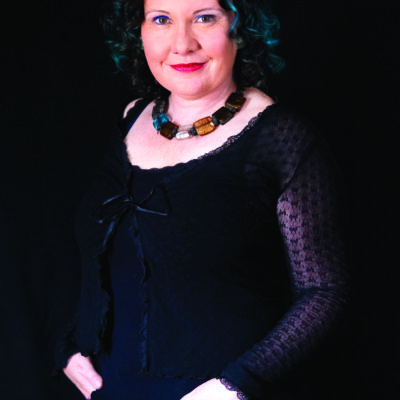
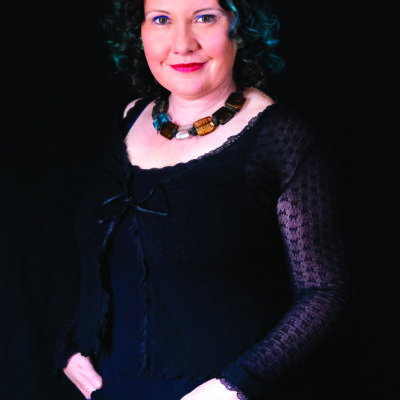
Liz McSkeane is a writer and publisher. She has one collection of short stories, two novels and four collections of poetry. In 1999 she was overall winner of the Hennessy New Irish Writer of the Year Award for her poetry. Her first novel Canticle was joint winner in the 2016 Irish Writers’ Centre Novel Fair. Her second novel, Aftershock, was published in October, 2025. Liz is founder and Director of Turas Press.
Booked out? To be added to the waiting list for this course, please email bookings@irishwriterscentre.ie